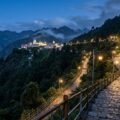
A solo female Vaishno Devi yatra is far more doable than most nervous first-timers expect. The 13 km track stays lit, staffed and RFID-tracked around the clock. Thousands of women make this climb alone every week, and the route is built for it.
This guide gives you the honest safety picture and a realistic pace plan. You will also get the exact stay choices that keep a lone woman comfortable and in control. On top of that, you will see current costs, the fares that are quoted wrong online, and where your RFID card really matters.
On This Page
Solo Female Vaishno Devi Yatra at a Glance
Here are the essentials before you book anything. Skim this first, then read the sections that fit your plan.
- Safety level: High. The route has roughly 700 CCTV cameras plus RFID pilgrim tracking, so lone women are rarely isolated on the track.
- Trek distance: About 13 km each way from Katra to the Bhawan. Most people walk it in 5 to 7 hours.
- Registration: The free RFID Yatra Access Card is mandatory. You collect it in person at a Katra counter after online sign-up.
- Best stay: A Katra hotel within walking distance of the Yatra Registration Counter, so you never walk far alone after dark.
- Helpline: The Shrine Board runs a 24×7 line on 1800-180-7198 for any on-route problem.
Is a Solo Female Vaishno Devi Yatra Safe?
Yes, a solo female Vaishno Devi yatra is one of the safer pilgrimages a woman can do alone in India. The Shri Mata Vaishno Devi Shrine Board (SMVDSB) tracks every pilgrim by RFID card. The track is lit all night, and police and paramilitary posts sit along the route. Because medical aid, langar and rest points appear every few kilometres, you are never truly on your own.
The reason this route feels different from a random hill trek is control. The daily pilgrim flow is capped near 30,000 to 35,000 people. So the path stays busy but managed. You will almost always have other families and women within sight, even at 3 AM.
That said, safety still depends on your own choices. Stick to the main track, and avoid unlit shortcuts. Keep your phone charged, since it is your fastest link to help. When you follow the Shrine Board’s own protocols, the risk on a solo female Vaishno Devi yatra drops sharply.
Registration and Your RFID Card
Every pilgrim needs a free RFID Yatra Access Card before crossing the Banganga checkpoint. For anyone travelling alone, this card is the backbone of on-route safety. It is scanned at each gate from Banganga to the Bhawan. So the Shrine Board always knows roughly where you are.
You can register online at the official Shrine Board portal. However, the online slip is not the card itself. You still collect the physical RFID card in person at a Katra counter. That is because online sign-up only records your intended date.
The Katra bus stand counter runs 24 hours. Meanwhile, the railway station counter works from 8 AM to 10 PM. Carry an original photo ID, such as Aadhaar or a passport, since staff verify it before handing over the card. After darshan you must return the card at the exit counter, or a small penalty applies.
Why the card matters more when you are alone
For a lone woman, the RFID system is a quiet safety net. Suppose you fall ill or get separated in a crowd. Staff can then locate your position quickly, because the card pings at every checkpoint. So wear it visibly on a lanyard rather than burying it in your bag.
Choosing Your Route and Pace
Two tracks lead up to the Bhawan, and your choice sets the tone for the whole climb. The older route runs via Banganga and Ardhkuwari. The newer Tarakote Marg offers gentler gradients that most solo walkers now prefer.
Tarakote Marg is longer but easier on the knees. So it suits a woman pacing herself without a group to lean on. The old Banganga route is steeper yet more direct, and it passes the traditional devotional halts. Both are well lit, with water points, shelters and medical aid throughout.
Battery cars run on parts of both tracks, which helps when your legs give out midway. If you tire near Ardhkuwari, you can ride a battery vehicle onward. That beats pushing through exhaustion alone.
How long should a solo woman allow?
Allow 6 to 8 hours up if you walk, plus rest breaks. A solo pace is naturally more cautious than a group’s. Add darshan time, which can run 45 minutes on a quiet weekday and far longer on weekends. Plan the whole yatra as a comfortable day rather than a race, because rushing a mountain track alone is where injuries happen.
Day Trek or Night Trek?
A night trek is popular and generally safe here, thanks to full lighting and constant foot traffic. Still, it demands more from a lone walker. The air stays cooler, and crowds thin after midnight. Because visibility of your surroundings drops, a night start suits confident repeat visitors more than first-timers.
For a first solo female Vaishno Devi yatra, an early morning start near 4 to 5 AM is the sweet spot. You get cool weather and daylight for most of the climb. You also reach the Bhawan before the mid-morning rush.
Since you finish in daylight, your return to Katra stays comfortable too. Our same-day yatra timing plan lays out the clock hour by hour.
Best Stay Options for a Solo Female Vaishno Devi Yatra
Where you sleep shapes your whole solo trip. The smartest choice for a woman alone is a Katra hotel close to the Yatra Registration Counter. That way you register, start and finish without long walks alone after dark. Katra has hundreds of budget to mid-range hotels within a short radius of the bus stand.
The SMVDSB also runs its own rooms and dormitories at Katra, Ardhkuwari, Sanjichhat and the Bhawan. You can book these on the official portal. They are clean, secure and staffed, so many lone women prefer them over unknown private lodges.
Extra tip: reserve a ground-floor or lift-served room if you expect tired legs after the descent. Book early, because Shrine Board rooms fill fast in season. Good lodging is the quiet backbone of any solo female Vaishno Devi yatra.
Stay near the Bhawan or come straight back?
Staying overnight near the Bhawan lets you split the climb and rest before descending. That is gentler for a solo trekker. The Shrine Board’s Bhawan-area rooms and free waiting halls make this practical. Alternatively, a same-day return works if you start early and keep a steady pace.
What a Solo Female Vaishno Devi Yatra Costs
Your biggest cost decisions are transport up the hill and your room in Katra. The table below sets out the main options with current indicative fares. Use it to budget before you travel.
| Option | Indicative fare (₹) | Good for |
|---|---|---|
| Walking the 13 km track | Free | Fit walkers with time |
| Pony (one way, by section) | 600 upward | Tired legs, steep stretches |
| Battery car (Ardhkuwari to Bhawan) | 300 to 450 | Skipping the final climb |
| Helicopter (Katra to Sanjichhat, one way) | ~2,320 | Short on time or energy |
| Ropeway (Bhawan to Bhairon, round) | ~100 | Reaching Bhairon Baba |
| Katra hotel (per night) | 800 to 3,000+ | Rest before and after |
The helicopter runs from Katra’s Serli helipad to Sanjichhat in about 8 minutes. After that you still walk roughly 2.5 km to the Bhawan. A round trip helps a solo traveller most. That is because it locks your return and often carries a priority darshan slip.
For most women, a Katra room plus optional transport is the core budget of a solo female Vaishno Devi yatra.
The Fares and Facts Most Websites Get Wrong
Plenty of pages still publish stale figures. A solo traveller who trusts them can overpay or get stranded. Here are the corrections that matter most for planning.
The helicopter fare is quoted wrong everywhere. You will see ₹1,800, ₹2,045, ₹2,100, ₹2,210 and ₹2,400 across different sites. Yet these rates are revised by the Shrine Board and change.
So treat any single figure as indicative only. Always confirm the live fare on the official SMVDSB website before you pay.
Online registration is not enough. Many guides imply the online slip lets you start the climb. It does not, because the physical RFID card is still collected in Katra. So budget time for the counter even if you registered online.
The camera rule changed in 2023. Old forum posts say cameras are fine up to the Bhawan. Since the 2023 security order, DSLRs, GoPros and tablets are banned on the track. Phones are still allowed until the cave.
Deposit big cameras in Katra to avoid losing time at a checkpoint. Our camera and drone rules guide spells out exactly where to leave gear.
Safety Do’s and Don’ts for Women Travelling Alone
These habits keep a lone woman comfortable and in control from Katra to the cave. None of them are dramatic. Yet together they remove almost every common problem.
- Do verify the ID card of any pony, palki or porter you hire, since licensed operators carry a valid Shrine Board registration.
- Do save the 1800-180-7198 helpline. Also share your live location with family before you start.
- Do keep small cash in different pockets, because ATMs in Katra and at the Bhawan often run dry in season.
- Don’t accept unsolicited help from touts offering shortcuts, VIP darshan or cheap heli tickets.
- Don’t leave valuables in open luggage storage, since lockers with your own lock are safer.
- Don’t over-pack, as a heavy bag on a 13 km climb tires you faster than anything else.
Health, Altitude and Pacing
The Bhawan sits around 5,200 feet. So the air thins as you climb, and a steady pace matters more than speed. Drink water at the free coolers along the way. Eat light snacks like nuts or fruit rather than heavy meals that slow you down.
Suppose you have a heart or breathing condition. Then consult a doctor before you attempt the trek, because the sustained uphill effort is real. Free first-aid centres and dispensaries sit along the route for anyone who feels unwell. When in doubt, rest at a shelter and let the moment pass rather than pushing on alone.
What to Pack and Wear
Pack light, dress modestly, and plan for weather that shifts fast on the Trikuta range. Comfortable shoes with grip are the single most important item, since the paved track gets slippery when wet.
Carry a light jacket or shawl even in summer, because nights at the Bhawan turn cold. Add a refillable water bottle, basic medicines and a power bank. Bring a raincoat in the monsoon months, plus your original photo ID. Leave leather items and non-vegetarian food behind, as both are restricted on the route.
What Solo Women Travellers Often Get Wrong
A few avoidable mistakes trip up first-time lone pilgrims on a solo female Vaishno Devi yatra. Knowing them in advance saves real stress. These are the patterns experienced women pilgrims mention most.
The first is booking a hotel far from the registration counter, which forces long solo walks at odd hours. The second is planning a same-day return after a late-morning start, since that squeezes your pace against the closing daylight. The third is trusting a random website’s helicopter fare instead of the official portal.
The fourth mistake is carrying too much. A lighter bag is a safety feature on a solo climb, because it keeps your hands free and your energy up. Fix these four, and the yatra runs smoothly.
Best Time for a Solo Trip
March to June and September to November give the most comfortable weather for a woman walking alone. The paths stay clear, and services run fully. Because daylight is generous, pacing is easier.
Avoid the July to August monsoon, when the track turns slippery and landslides can suspend the yatra. Winter brings cold and occasional snow, which is beautiful but harder solo.
The two Navratri windows in spring and autumn are spiritually charged. Yet crowds swell, so a first-time solo visitor may prefer a quieter weekday. For wider trip ideas, the Jammu & Kashmir Tourism portal lists nearby sites.
Before You Go
A solo female Vaishno Devi yatra rewards planning far more than nerve. Register early, and pick the gentler Tarakote Marg if your knees prefer it. Choose a Katra room near the counter, so you never walk far alone in the dark.
Confirm live fares and timings on the official Shrine Board channels, and keep the helpline handy. Pace the climb as a full, unhurried day. Do that, and you reach the Holy Cave calm, safe and ready for darshan. Our full yatra planning hub links every deep guide you need.
Frequently Asked Questions
Is it safe for a woman to do the Vaishno Devi yatra alone at night?
Yes, the night trek is generally safe, because the full 13 km track stays lit and busy. Police posts and CCTV run throughout. Still, a first-time solo woman may feel more at ease starting at dawn, when daylight covers most of the climb. Keep to the main track and skip unlit shortcuts.
Do I need to register online for a solo female Vaishno Devi yatra?
Online registration on maavaishnodevi.org is helpful but not sufficient on its own. You must still collect the free physical RFID card in person at a Katra counter before crossing Banganga. Carry an original photo ID for verification.
Where should a woman travelling alone stay in Katra?
Choose a hotel within walking distance of the Yatra Registration Counter, so you avoid long solo walks after dark. The Shrine Board’s own rooms and dormitories are secure, staffed options worth booking early. Both work well for a lone traveller.
How much does a solo female Vaishno Devi yatra cost?
The trek itself is free, while a Katra room runs from about ₹800 a night upward. Optional transport adds up. The helicopter costs around ₹2,320 one way, and a battery car runs ₹300 to ₹450. Confirm current fares on the official portal before you travel.
Is the helicopter worth it for a lone woman?
The helicopter suits you if time or energy is short. The 8-minute flight from Katra to Sanjichhat skips most of the climb. A round trip is the safer choice, since it locks your return seat and often adds a priority darshan slip. You still walk about 2.5 km from Sanjichhat to the Bhawan.
Can I carry my phone and camera on the track?
Phones are allowed on the entire track. However, you must deposit them in a free locker before entering the Holy Cave. DSLR cameras, GoPros and tablets have been banned on the route since the 2023 security order. Leave big cameras in Katra.
What is the best time of year for a solo woman to visit?
March to June and September to November offer the most comfortable weather and full services. Avoid the July to August monsoon, because of slippery paths and landslide risk. Navratri is intense but crowded, so a first solo trip is easier on a normal weekday.
How fit do I need to be for the climb?
Basic fitness is enough for the 13 km paved climb. Most walkers finish in 5 to 7 hours at a steady pace. If you have a heart or breathing condition, consult a doctor first. Ponies, palkis and battery cars are there whenever your legs need a rest.